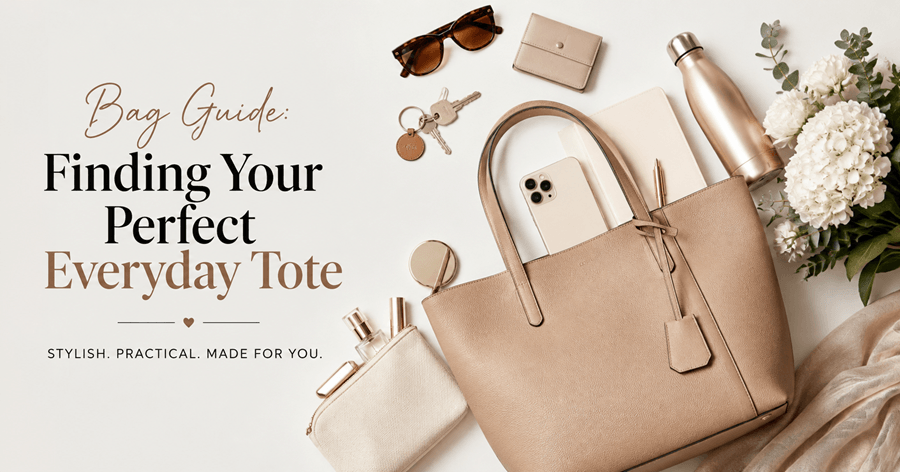

If you’ve ever stood in front of a wall of tote bags feeling completely overwhelmed, you’re not alone. The everyday tote is one of those deceptively simple accessories that’s actually pretty hard to get right. Buy the wrong one and you end up with a bag that stretches out of shape after two weeks, digs into your shoulder on the commute, or simply doesn’t fit the stuff you actually carry around. Buy the right one, though, and it becomes the piece you reach for without thinking, day after day, for years.
This guide walks through everything worth considering before you commit to a tote, from materials and size to the small design details that separate a bag you’ll love from one that ends up shoved in the back of your closet.
Why the Everyday Tote Matters More Than You Think
A good tote isn’t just a bag. It’s the thing that carries your laptop to work, your groceries home, your gym clothes on a Tuesday, and your weekend essentials when you’re too lazy to pack a proper overnight bag. Because it does so much, it takes more wear and tear than almost anything else in your wardrobe.
That’s exactly why picking one carefully pays off. A well-chosen tote will outlast trends, adapt to different outfits, and quietly make your daily routine a little easier. A poorly chosen one becomes a daily source of minor annoyance, whether that’s a strap that slips off your shoulder or a bottom that lets your phone fall through a gap in the stitching.
Start With How You’ll Actually Use It
Before you even look at colors or brands, get honest with yourself about your daily routine. Are you commuting on foot or by car? Do you need a laptop sleeve or padded compartment? Are you juggling a lunch box, a water bottle, and a small child’s snacks on top of everything else?
People who carry a laptop every day need a tote with real structure and ideally a padded slot, since a floppy canvas bag will let a 15-inch laptop bang against your hip with every step. If you’re mostly using it for groceries, errands, or the beach, a lighter, more flexible tote with a wipeable lining makes more sense. And if you’re using it as a work bag and an occasional overnight bag, look for one with expandable capacity or exterior straps that let it flex between roles.
Material: The Decision That Shapes Everything Else
The material you choose determines how the bag ages, how much it weighs, and how much upkeep it needs.
Leather is the classic choice for a reason. It develops a patina over time, meaning it actually looks better the more you use it. Full-grain leather is the most durable option, though it’s heavier and pricier. Vegetable-tanned leather ages beautifully but can be more sensitive to water. If you go this route, be prepared to treat it occasionally with a leather conditioner.
Canvas is the practical, everyday workhorse. It’s lightweight, machine washable in many cases, and holds up well to rough handling. Waxed canvas adds a layer of water resistance, which is worth considering if you live somewhere rainy.
Nylon and technical fabrics are the go-to for people who want something ultra-lightweight and low-maintenance. These totes shrug off spills, pack down small for travel, and often come with water-resistant coatings. They tend to look more casual or sporty, so they’re less suited to formal office settings.
Vegan leather has come a long way and now offers a genuinely attractive middle ground: the polished look of leather without the animal product, often at a lower price point. The tradeoff is that lower-quality versions can crack or peel after a couple of years, so it pays to read reviews before buying.
Size and Capacity: Bigger Isn’t Always Better
It’s tempting to go for the largest tote on the shelf because more room feels like more flexibility. In practice, an oversized bag often just means more clutter and a heavier load on your shoulder. Think about the three or four items you carry every single day, then add a little breathing room for occasional extras like an umbrella or a change of shoes.
A tote in the 14 to 16 inch width range is usually the sweet spot for daily use. It’s roomy enough for a laptop, a notebook, and the usual essentials, but not so large that it becomes a catch-all for things you don’t need.
Straps and Comfort
This is the detail people underestimate the most. A beautiful tote with thin, non-adjustable straps can become genuinely uncomfortable once you load it up with a laptop and a water bottle. Look for straps that are wide enough to distribute weight, ideally with some padding if you plan to carry the bag on your shoulder for long stretches.
Drop length matters too. A shorter drop means the bag sits higher and works well for hand-carrying or the crook of your elbow, while a longer drop lets you sling it over your shoulder comfortably, even over a jacket in colder months. Some totes offer both a top handle and a longer crossbody strap, which is worth prioritizing if you want versatility.
Structure, Closure, and Organization
An open-top tote looks effortlessly chic, but it also means anyone standing near you can see straight into your bag, and your belongings can shift around or even fall out. A zip-top or magnetic snap closure adds a layer of security without sacrificing the tote silhouette.
Internal organization is another underrated factor. A slip pocket for your phone, a zippered pocket for cards or cash, and a dedicated laptop sleeve can make a huge difference in how quickly you can find things. Bags with a structured base, sometimes reinforced with a metal frame or thicker material, also hold their shape better over time and are less prone to slouching.
Color and Versatility
Neutral tones like black, tan, navy, and warm brown tend to earn their keep the longest because they pair with nearly everything in your closet. If you already own a rotation of neutral bags and want something with more personality, a tote is actually a great place to experiment with color or texture, since it’s typically the largest and most visible accessory you carry.
Budget: Where to Spend and Where to Save
If you’re buying a tote you’ll use daily for years, it’s usually worth investing a bit more in quality construction, particularly around the stitching, strap attachment points, and base. These are the areas that fail first on cheaper bags. That said, plenty of mid-range totes from reputable brands use quality materials without the luxury markup, so a higher price tag isn’t automatically a guarantee of durability.
Final Thoughts
The perfect everyday tote isn’t about chasing the trendiest option of the season. It’s about matching the bag to your actual life: what you carry, how far you walk, and what kind of upkeep you’re realistically willing to do. Take the time to think through material, size, and strap comfort before you buy, and you’ll end up with a bag that earns its spot as your daily go-to rather than another impulse purchase gathering dust in the closet.